
Portrait Photography: Ten Styles with One Light
58mBeginner2017-09-21
Authors
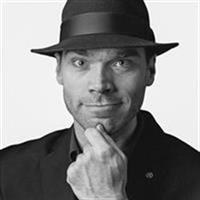
Levi Sim
Photographer, Teacher
Course details
Learn to control light so you can make a great portrait any time and any where. This course covers essential lighting principles and strategies, and shows how you can use just one light source to take dramatic portraits, business headshots, and family photos. Discover ten different styles that can be accomplished using only one light, and find out how to incorporate simple and inexpensive light-modification tools.
Learning objectives
Leveraging different types of light
Finding the right light for the right mood or effect
Taking portraits for business and family clients
Making the camera and light work together
Helping people look their best
Learning objectives
Leveraging different types of light
Finding the right light for the right mood or effect
Taking portraits for business and family clients
Making the camera and light work together
Helping people look their best
Skills covered
Portrait PhotographyPhotographyDeep Dive (X:Y)
Concepts
0. Introduction
- 01 - What you ll learn in this course
- 02 - What tools will be demonstrated
1. Principles of Portrait Lighting
- 03 - Judging the quality, direction, color, and contrast of light
- 04 - Hard vs. soft
- 05 - Choosing a flattering light direction
- 06 - Conquering color problems
- 07 - Controlling contrast - All about the shadows
2. Making Soft Light
- 08 - Go with a big light
- 09 - Closer is the same as bigger
- 10 - Shine through vs. reflect for softness
- 11 - White vs. silver vs. gold reflectors
- 12 - Find big lights
3. Five Lighting Patterns
- 13 - Front light
- 14 - Loop light
- 15 - Rembrandt light
- 16 - Split light
- 17 - Rim or back light
- 18 - Combine with reflector for even more options
4. Making and Finding Directional Light
- 19 - Making directional light
- 20 - Finding directional light
5. Ten Portraits with One Light
- 21 - Lighting and posting for what the portrait should say
- 22 - Clam shell headshot
- 23 - Loop or Rembrandt
- 24 - Dark background and deep contrast
- 25 - Full length or three quarters
- 26 - Split light, skipping, and intense
- 27 - Extreme angle
- 28 - Reflector as the front light
- 29 - Reflector as the back light
- 30 - Silhouette
- 31 - Second curtain sync
Conclusion
- 32 - Next steps