
Learning Cinematography: 1 Narrative Fundamentals
2h 45mBeginner2016-09-30
Authors
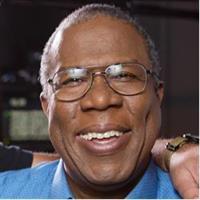
Bill Dill
Cinematographer and Professor of Film and Media Arts
Course details
Creative decision making lies at the core of great filmmaking. To shoot a movie, you need to understand how the equipment works, but more importantly, you need to know how the choices you make—composition, exposure, lighting, etc.—impact the way the audience sees the film. The Cinematography series with Bill Dill covers the basics you need to shoot a modern motion picture and tell stories in the most powerful way possible. Part 1 concentrates on narrative filmmaking: creating a world from scratch, using a script. Bill, an ASC cinematographer and professor of film and media arts at Chapman University, introduces the techniques that professional filmmakers use to maintain the illusion of reality in the middle of an otherwise artificial world.
Follow along and learn the fundamentals required to shoot a story with a camera. Learn how to plan your production, assemble a crew, choose the right camera and lenses, and make creative choices that best fit the themes, characters, and story of your film. Bill covers the elements of composition, exposure, optics, lighting, and camera movement. Part 2 shows you how to put all these ideas together on set, and deliver the footage to an editor and director for assembly into a complete, coherent, and compelling story.
Learning objectives
Motion picture history
Preproduction planning
Working with a crew and actors
Understanding the story
Composition in film
Working with different types of cameras
Recording, compression, and storage
Choosing a lens and focal length
Finding the correct exposure
Lighting a scene
Lighting and grip equipment
Camera movement
Follow along and learn the fundamentals required to shoot a story with a camera. Learn how to plan your production, assemble a crew, choose the right camera and lenses, and make creative choices that best fit the themes, characters, and story of your film. Bill covers the elements of composition, exposure, optics, lighting, and camera movement. Part 2 shows you how to put all these ideas together on set, and deliver the footage to an editor and director for assembly into a complete, coherent, and compelling story.
Learning objectives
Motion picture history
Preproduction planning
Working with a crew and actors
Understanding the story
Composition in film
Working with different types of cameras
Recording, compression, and storage
Choosing a lens and focal length
Finding the correct exposure
Lighting a scene
Lighting and grip equipment
Camera movement
Skills covered
CinematographyFilmmakingVideoLearning
Concepts
0. Introduction
- 01 - Welcome
- 02 - Who is this course for
- 03 - A brief history of motion pictures
1. Before You Start Filming
- 04 - Focus on narrative filmmaking
- 05 - Pre-production planning
- 06 - Develop a process
- 07 - Assemble your crew
- 08 - The actor's perspective
2. Principles of Storytelling
- 09 - The basics of storytelling
- 10 - Understand the story
- 11 - Choose your own theory of filmmaking
- 12 - The audience's experience
3. Composition
- 13 - Communicate with shapes
- 14 - The visual pattern recognition system
- 15 - Orient the audience
- 16 - Change a pattern for a purpose
- 17 - Elements of composition
- 18 - Who's driving the scene
4. Understanding the Camera
- 19 - Types of digital cameras
- 20 - Simple cameras
- 21 - Complex cameras
- 22 - Recording, compression, and storage
5. Optics
- 23 - What a lens actually does
- 24 - Primes vs. Zooms
- 25 - Choose a focal length
- 26 - The components of depth of field
- 27 - The aesthetics of depth of field
6. Exposure
- 28 - The seven elements of exposure
- 29 - The speed of the camera
- 30 - What is correct exposure
- 31 - Light meters
7. Lighting
- 32 - Picture the light in your mind
- 33 - How much light do you need
- 34 - Basic lighting
- 35 - Quality lighting
- 36 - Lighting equipment
- 37 - Grip equipment
8. Camera Movement
- 38 - Why do we move the camera
- 39 - How camera movement relates to story
- 40 - How do we move the camera
- 41 - Blocking and lighting
Conclusion
- 42 - Make the best choices for your film